

The Role of Psychology in Gambling
Understanding the psychology of gamblers is crucial to comprehending the strategic decisions they make in casinos. Gamblers often experience a surge of adrenaline, which can lead to a state of heightened emotion and impulsivity. This emotional response is not just a byproduct of winning or losing; it plays a significant role in the overall gambling experience. In fact, many players seek out a no id casino to enhance their experience without the pressures of identity verification. Gamblers may develop biases based on past experiences, influencing how they approach future bets and strategies.
Furthermore, cognitive biases, such as the illusion of control and the gambler’s fallacy, can distort a player’s perception of odds and probabilities. For instance, players might believe they can influence outcomes through their decisions, despite the inherent randomness of games like slots or roulette. These psychological factors can lead to more aggressive betting strategies, impacting the overall dynamics of casino gaming behavior.
Cognitive Biases in Casino Strategies
Cognitive biases significantly influence how players formulate their gaming strategies in casinos. One prominent bias is the gambler’s fallacy, where individuals believe that past independent events affect future probabilities. For example, a player may think that after a series of losses on a particular slot machine, a win is “due,” prompting them to increase their wagers. This misunderstanding of probability can lead to detrimental financial decisions and a misguided sense of strategy.
Moreover, the availability heuristic causes players to overestimate the frequency of certain outcomes based on recent experiences. If a player has witnessed several big wins at a table, they may overvalue their chances of replicating that success, leading to more aggressive betting strategies. Understanding these cognitive biases is essential, as they can help players better manage their expectations and make more informed decisions.
The Impact of Environment on Gaming Behavior
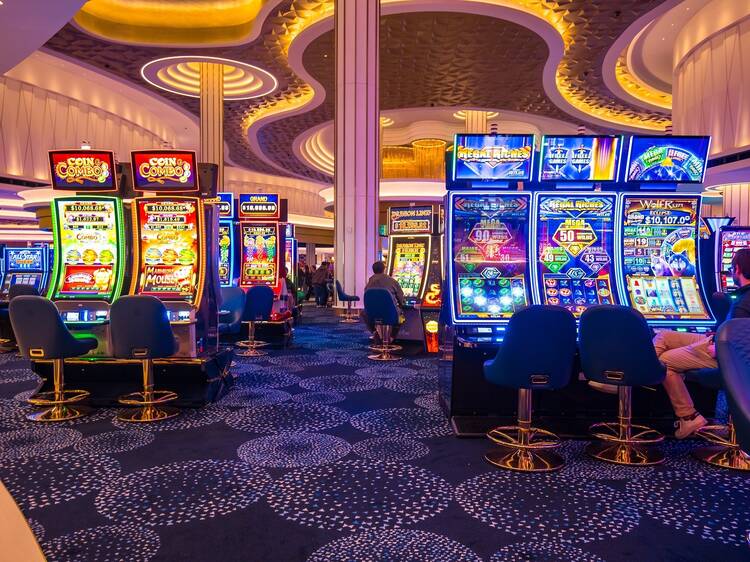
The casino environment is meticulously designed to influence player behavior and psychological responses. Factors like lighting, sound, and decor all contribute to an atmosphere that encourages prolonged play. Bright lights and exciting sounds can create a sense of urgency and excitement, often leading players to lose track of time and their betting limits. The designed experience is crucial in shaping gambling strategies, as players become more susceptible to impulsive decisions in such an environment.
Additionally, social interactions within the casino, be it with dealers or fellow players, can affect decision-making. The camaraderie and competitiveness can amplify emotional responses, pushing players toward more aggressive strategies. Such social dynamics often lead individuals to engage more deeply with the games, further complicating their strategic choices while betting.
The Attraction of Risk and Reward
The intrinsic allure of risk and reward plays a central role in the development of gaming strategies in casinos. Gamblers are often drawn to the thrill of risking their money for the possibility of significant rewards. This risk-taking behavior is rooted in psychological principles, where the potential for a big win stimulates the brain’s reward centers, creating a cycle of excitement and anticipation. Players may develop strategies that embrace this risk, believing they can outsmart the odds.
Moreover, the concept of loss aversion greatly influences gambling strategies. Research suggests that the pain of losing is often felt more acutely than the joy of winning. As a result, players may adopt strategies that prioritize minimizing losses rather than maximizing gains, leading to a more conservative approach to betting. This complex interplay between risk and reward ultimately shapes how players engage with various games in the casino.
Enhancing English Learning Through Gambling Strategies
While casinos might seem unrelated to education, understanding the psychology behind gambling strategies can enhance learning environments, particularly in language acquisition. Just like gamblers employ strategies based on psychological insights, language learners can benefit from recognizing their cognitive biases and emotional responses to learning challenges. For instance, being aware of the tendency to overestimate one’s progress can encourage more realistic goal-setting.
Additionally, the engaging nature of casino gaming can serve as a metaphor for learning strategies in a supportive environment. Platforms like English-for-students.com promote active engagement, much like a casino pulls players into an immersive experience. By drawing parallels between gaming strategies and language learning, students can develop a more dynamic and interactive approach to mastering English, making the process enjoyable and effective.